
 Add to Preferred Sources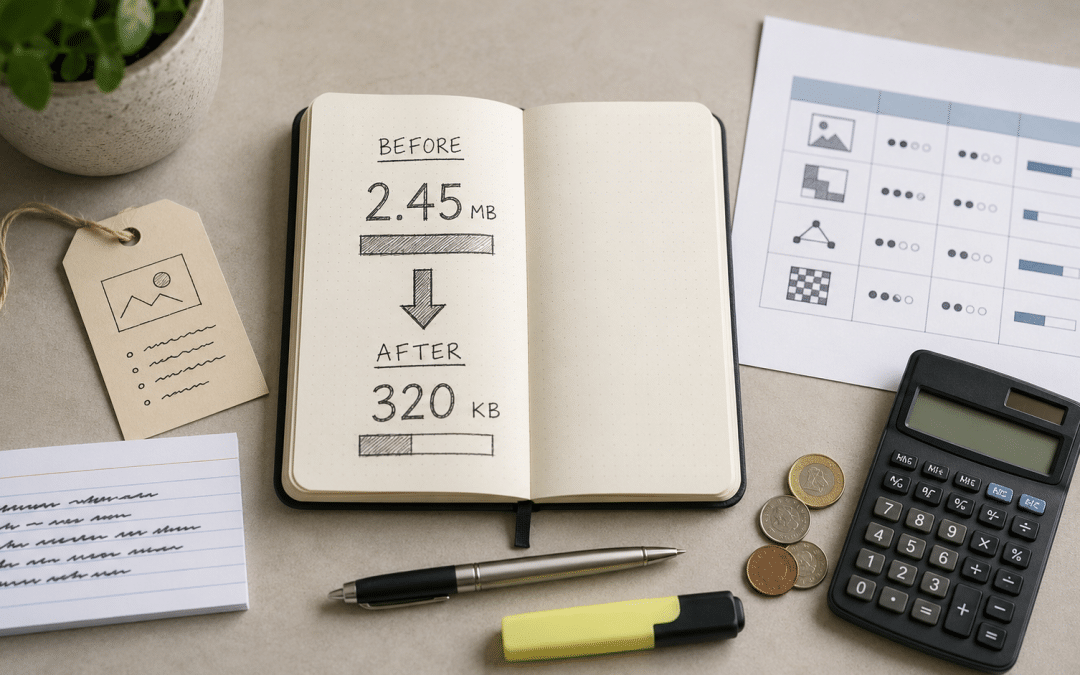
Image seo south africa is the practice of optimising a website's images so they load fast, are understood by Google, and can rank in Google Images. The most important thing for SA businesses to grasp is that it is mostly a speed and accessibility discipline that happens to also win image-search traffic, not a separate trick.
For South African sites, where mobile data is expensive and connections are often slower than in wealthier markets, an unoptimised image is not just a ranking problem — it is a measurable revenue leak. This guide explains what image SEO involves, why it matters more locally, and how to do it properly, building on our complete SEO guide for South African businesses.
Quick Answer
Image seo south africa means making each image fast to load, easy for Google to find and understand, and eligible to appear in Google Images. The core levers are: serving the right format (modern formats like WebP over heavy JPEG/PNG), compressing and correctly sizing files so they are not many times larger than displayed, descriptive filenames and alt text so Google and screen readers understand the image, and making images crawlable in standard HTML rather than buried in CSS. The reason this matters more in South Africa than in many markets is concrete: visitors on metered, expensive mobile data and slower connections abandon heavy pages fast, so an oversized image directly costs conversions before it ever costs a ranking. The biggest mistake SA businesses make is treating images as a design afterthought uploaded straight from a camera or phone at full size — which silently inflates page weight, slows the site, hurts rankings, and burns visitors' data, all at once.
Not sure if your site's images are quietly costing you rankings and conversions on slow SA connections?
Get a Free Image Speed CheckImage SEO South Africa: What It Actually Is
Image seo south africa is best understood as three jobs in one — making images fast, making them understandable to Google, and making them eligible to rank — and most of its value is in the first two, not in chasing Google Images traffic directly. The image-search ranking is a by-product of doing the speed and clarity work well.
This framing matters because businesses approaching image seo south africa often think it means "get into Google Images" and skip the parts that actually move revenue. The largest practical gain for most SA sites is not image-search visibility — it is the page speed recovered by fixing oversized images, which lifts rankings and conversions across the whole site, not just in image results.
According to Google's image SEO best-practices documentation, Google finds images in standard HTML image elements but does not index images loaded only via CSS, and how an image is presented affects whether it is indexed at all. The technical hygiene is the foundation; the visibility follows it.
Image SEO South Africa: Why It Matters More Locally
Image seo south africa carries more weight here than generic international advice implies, because the cost of getting it wrong is amplified by local conditions — expensive mobile data and slower average connections. The same oversized image that is merely suboptimal elsewhere is actively losing money in the SA market.
Heavy images cost visitors real money
This is the part of image seo south africa generic guides understate. On metered mobile data, every unnecessary megabyte a page forces a visitor to download is a literal cost to them.
A South African on a prepaid data bundle who lands on a page bloated with full-size images is paying, in data, to wait — and the common response is to leave before the page finishes. The bounce is not impatience; it is a rational reaction to a page that wastes a scarce resource.
Slow image loads compound on weaker connections
An image that loads acceptably on fast fibre can stall a page for seconds on a typical mobile connection. Because images are usually the heaviest thing on a page, they are the single biggest lever for load time — and load time directly affects both rankings and the share of visitors who stay long enough to convert.
The SA Data-Cost Multiplier
The fact that reframes image seo south africa from a technical nicety into a revenue issue is that South African visitors often pay directly for the bytes a page makes them download. In markets with cheap, fast, unmetered connections an oversized image is a mild inefficiency; in South Africa it is a charge passed to the visitor and a reason to abandon before the page renders. This means image optimisation has a return that generic global guides understate for the SA market: it simultaneously improves rankings, recovers conversion rate, and reduces the data cost you impose on the exact mobile-first audience most SA businesses depend on. An unoptimised image set is not a cosmetic debt — it is a tax you are charging your own visitors and then losing them for charging.
Image SEO South Africa: The Core Techniques
Image seo south africa, done properly, is a short list of disciplined habits applied before every image goes live — not a complex project, but a consistent one. The table below maps each technique to what it fixes and why it matters here.
| Technique | What It Fixes | Why It Matters in SA |
|---|---|---|
| Modern format (WebP) | Large JPEG/PNG file sizes | Smaller files, less data burned |
| Compress + correct sizing | Images far larger than displayed | The single biggest data saving |
| Descriptive filename | Meaningless IMG_001-style names | Helps Google understand the image |
| Accurate alt text | No context for Google or screen readers | Accessibility plus image-search relevance |
| Crawlable HTML img | Images hidden in CSS, never indexed | Eligibility to appear in Google Images |
| Responsive images | One huge file served to every device | Phones get a phone-sized file, not desktop |
The pattern is consistent: almost every technique either reduces the bytes a visitor downloads or gives Google the context it needs. None of it is advanced — it is the discipline of doing it every time, which is exactly where most SA sites fall down because images are treated as a final design step rather than an optimisation step.
The "uploaded straight from the phone" trap is the most common image seo south africa mistake. A business uploads product or team photos directly from a phone or camera at full resolution — often several megabytes each — because they look fine on screen.
The page now weighs many times what it should, loads slowly on mobile data, burns visitors' bundles, and quietly suppresses rankings. Nothing looks broken, which is exactly why it goes unnoticed until traffic and conversions are already down.
Want to know which images on your site are oversized and what they are costing you in speed and data?
Get a Free Image AuditImage SEO South Africa: Filenames and Alt Text Done Right
Image seo south africa depends heavily on two small text fields most sites get wrong — the filename and the alt text — because they are the main way Google understands what an image is. Both should describe the image accurately and naturally, not be stuffed with keywords.
Filenames: describe before you upload
For image seo south africa, a filename like a hyphenated description of the image (for example, the product and its key attribute) gives Google a clear signal; a camera default like a number string gives it nothing. The discipline is to rename the file before upload, because renaming after the fact is rarely done and the opportunity is lost.
Alt text: write for the person who cannot see it
Alt text exists first for accessibility — describing the image for a screen-reader user — and that same accurate description is exactly what helps Google understand the image. Writing alt text as a keyword dump fails both audiences; writing it as a clear, honest description of the image serves both at once. Accessibility and image SEO are the same task done well.
Alt Text Is Accessibility First, SEO Second
The cleanest way to get image seo south africa right is to write alt text and filenames for the human who cannot see the image, and let the SEO benefit follow automatically. This works because Google is trying to understand the image for the same reason a screen reader is: to know what it actually depicts. An honest, specific description serves both; a keyword-stuffed string serves neither and signals manipulation. This is why the discipline is not "add keywords to alt text" but "describe the image truthfully" — the SEO value is a side effect of accessibility done properly, and treating it the other way round produces text that is worse for users and no better, often worse, for search.
Image SEO South Africa: Unoptimised vs Optimised
Image seo south africa produces sharply different outcomes depending on whether images are handled or ignored — same site, two trajectories. The before-state is the typical unoptimised reality; the after-state is what disciplined image handling produces.
| Dimension | Unoptimised Images (before) | Optimised Images (after) |
|---|---|---|
| Page weight | Inflated by full-size files | A fraction of the size, same visual quality |
| Mobile load time | Stalls for seconds on SA connections | Loads fast enough to keep the visitor |
| Visitor data cost | Visitor pays for wasted megabytes | Minimal data burned, lower bounce |
| Google Images eligibility | Often uncrawlable or unlabelled | Crawlable, described, eligible to rank |
| Whole-site effect | Speed drag suppresses rankings | Faster pages lift rankings site-wide |
For the broader picture this sits inside, our technical SEO guide for South Africa covers the wider speed and crawlability work image SEO is part of, and what on-page SEO is covers where filenames and alt text fit in the on-page picture — image SEO is one disciplined slice of both.
How Growth Pulse Media Handles Image SEO
Most agencies treat image SEO as an afterthought bolted on at the end, which is exactly how oversized images ship to live sites. Growth Pulse Media's SEO work for South African businesses treats image handling as part of the build and content process, not a later cleanup, because the SA data-cost reality means a slow image set is losing money from day one, not eventually.
The operator background behind GPM means image optimisation is judged by its effect on real outcomes — load time, bounce, conversions, and rankings together — not by a checklist tick. Work is executed in-house, so the people compressing and labelling images are the people accountable for the speed and conversion numbers those images affect.
Who This Guide Is NOT For
Image SEO is worthwhile for almost every site with images, but it is not the right priority in several situations, and being honest about that prevents misplaced effort.
Sites with no real images or a tiny, optimised set. A minimal text site with a handful of already-optimised images has little to gain here. Image SEO matters in proportion to how many images a site has and how heavy they are — for a site with almost none, the effort belongs elsewhere.
Businesses chasing Google Images traffic that does not convert. For many service businesses, image-search visitors are low-intent and rarely become customers. If the goal is leads, the speed and accessibility gains are the real prize — pursuing image-search rankings as the objective is optimising the least valuable part for that business.
Sites whose real problem is elsewhere in technical SEO. If a site is not being crawled or indexed properly, image optimisation changes little because the pages are not competing anyway. The foundational technical issues come first; image SEO is a refinement layered on a site that is already crawlable.
Operators wanting a one-time fix. Image SEO only stays effective if it is applied to every new image going forward. A single cleanup followed by reverting to uploading full-size phone photos undoes the gain — without an ongoing habit, the audit is a temporary patch, not a solution.
Ready to find out whether image SEO is your highest-leverage fix right now — or whether something else comes first?
Get Your Free SEO Priority DiagnosisImage SEO South Africa: Frequently Asked Questions
What is image SEO in simple terms?
Image SEO is the practice of optimising a website's images so they load quickly, can be understood by Google, and are eligible to appear in Google Images. It mainly involves the right file format, compression and sizing, descriptive filenames, accurate alt text, and keeping images crawlable in standard HTML.
Most of its value is in speed and accessibility, with image-search visibility as a by-product. It is a discipline applied to every image, not a one-time task.
Why does image SEO matter more in South Africa?
Because South African visitors often browse on expensive, metered mobile data and slower connections. An oversized image forces them to pay, in data, to load a page — and many leave before it finishes, so heavy images cost conversions directly, not just rankings.
In markets with cheap, fast connections an unoptimised image is a mild inefficiency. In the SA market it is a cost passed to the visitor and a measurable revenue leak.
What image format is best for SEO?
Modern formats like WebP generally give the best balance, offering much smaller file sizes than traditional JPEG or PNG at equivalent visual quality. Smaller files mean faster pages and less data consumed, which matters more on SA mobile connections.
The format matters less than the discipline of compressing and correctly sizing images. A well-compressed JPEG beats an enormous WebP — format is one lever, file size is the bigger one.
Does alt text actually help rankings?
Alt text helps Google understand what an image depicts and provides essential accessibility for screen-reader users. That accurate description is what makes an image eligible to rank in image search and adds context to the page.
It works best written as an honest description of the image, not a keyword dump. Keyword-stuffed alt text serves neither accessibility nor search and can signal manipulation.
Will optimising images actually speed up my site?
Usually significantly, because images are typically the heaviest element on a page. Reducing oversized images to correctly compressed, properly sized files often produces one of the largest single improvements in load time available.
This is why image seo south africa is largely a speed discipline. The ranking and conversion gains come mostly from the page being lighter and faster, not only from image-search visibility.
How do I check if my images are indexed by Google?
You can search your site on Google Images using a site-restricted query to see which images appear, and use Google Search Console's indexing reports to identify pages and images that are not being indexed.
If images are loaded only via CSS or blocked from crawling, they will not be indexed regardless of quality. Making them standard, crawlable HTML elements is the precondition for any image-search visibility.
Get an Honest Image SEO Assessment
Growth Pulse Media will check what your images are actually costing you — in load time, mobile data burned, bounce, and lost rankings — and tell you straight whether image SEO is a high-leverage fix for your site or a low priority right now, with the reasoning, not a generic "optimise everything" pitch. Built by operators who judge image work by conversions and speed, not a checklist. No obligation — we will get back to you within 24 hours.
Get Your Free Image SEO Assessment