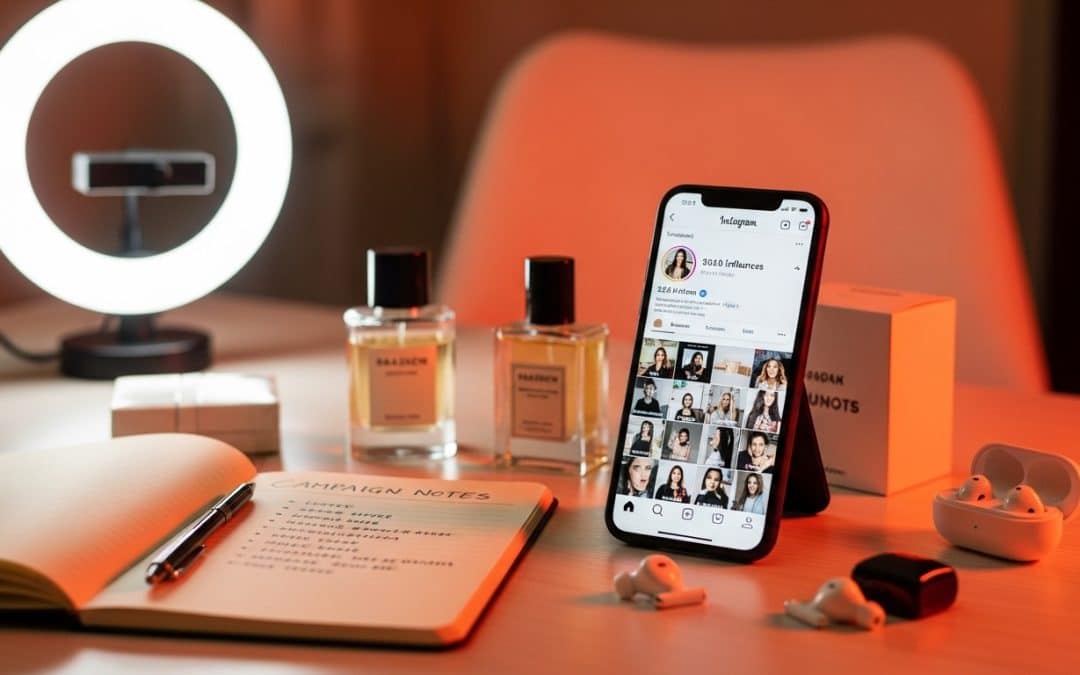
Influencer marketing South Africa has become one of the most cost-effective customer acquisition channels available to SA brands — with micro-influencer campaigns that would cost R50,000+ in the US executable for R10,000–R20,000 locally, while delivering engagement rates that paid social advertising consistently struggles to match. As part of a complete social media marketing strategy for Johannesburg businesses, influencer partnerships work because South Africans are among the most active social media users globally — spending over three hours per day on platforms — and trust in recommendations from real people they follow significantly outperforms trust in traditional brand advertising.
This guide covers everything SA businesses need to know about influencer marketing — how much influencers charge, which tiers deliver the best ROI, how to find and vet creators, how to structure campaigns, and how to measure results. For help with the broader social media and paid advertising strategy that amplifies influencer content, our social media marketing agency Johannesburg team covers that end.
Want expert guidance on building an influencer marketing strategy for your SA brand?
Get a Free Influencer Strategy Session →Why Influencer Marketing South Africa Is Growing
Influencer marketing South Africa is growing because three conditions that make creator partnerships exceptionally effective are all present simultaneously — high social media engagement, declining trust in traditional advertising, and relatively low creator rates compared to international markets that make meaningful campaigns accessible to SA SMEs, not just large brands with large budgets.
According to Meltwater's South Africa influencer marketing research, the global influencer marketing industry exceeded $24 billion in 2024 and continues growing — and South Africa is following this trajectory as more SA brands shift budget from traditional media toward creator partnerships with measurable, attributable results.
Influencer marketing South Africa cost advantage: A micro-influencer campaign in South Africa typically costs R10,000–R20,000 for the equivalent reach that would cost R50,000+ in the US or UK market. This cost differential makes influencer marketing accessible to SA businesses at revenue stages where it would not be viable in larger markets — and the engaged, locally relevant audiences SA creators have built deliver better conversion rates than international influencers reaching SA consumers from outside the cultural context.
Influencer Marketing South Africa: Understanding the Tiers
Influencer marketing South Africa tier selection is best made by matching your budget and goals to the influencer category that delivers the right combination of reach and engagement — because the relationship between follower count and engagement rate is inverse, meaning smaller creators often deliver better measurable results per rand spent than larger ones.
| Influencer Tier | Followers | Cost Per Post (ZAR) | Best For SA Businesses |
|---|---|---|---|
| Nano | 1,000–10,000 | R500–R2,500 | Hyper-local reach, niche communities, authentic product reviews |
| Micro | 10,000–100,000 | R2,500–R10,000 | Targeted reach, high engagement, strong trust — best ROI for most SA brands |
| Mid-tier | 100,000–500,000 | R10,000–R50,000 | Broader awareness, established personal brands, multi-platform campaigns |
| Macro | 500,000–1 million | R50,000–R200,000 | Mass awareness, product launches, national reach campaigns |
| Mega / Celebrity | 1 million+ | R200,000+ | Maximum visibility, brand prestige, major campaign launches |
Why Micro-Influencers Deliver the Best ROI for SA Brands
For most South African businesses, micro-influencers in the 10,000–100,000 follower range offer the strongest return on investment because their audiences are more engaged, their content feels more authentic, and their rates are affordable enough to work with multiple creators simultaneously — diversifying reach and creative approaches rather than concentrating budget in a single high-follower account.
Research consistently shows engagement rates decrease as follower counts increase. A nano-influencer in SA typically achieves 5–8% engagement, while a mega-influencer often drops below 1%. Higher engagement means more people actually see, interact with, and act on the content — which is what drives sales, not raw reach numbers.
Micro-influencer diversification strategy: Instead of spending R50,000 on one macro-influencer post, work with five micro-influencers at R10,000 each. You get five pieces of unique content, five different SA audiences, five opportunities to test messaging, and significantly lower risk if any single creator underperforms.
Influencer Marketing South Africa: Platform Selection
Influencer marketing South Africa platform selection is best determined by your target audience's age and behaviour — Instagram and TikTok dominate for consumer brands targeting under-35 audiences, YouTube for considered purchases requiring detailed reviews, Facebook for older demographics and local businesses, and LinkedIn for B2B influencer partnerships reaching SA corporate decision-makers.
| Platform | Best Content Types | Best For SA Brands | SA Audience |
|---|---|---|---|
| Reels, Stories, carousels, feed posts | Fashion, beauty, food, lifestyle, ecommerce | Strong 18–35 demographic, visual-first | |
| TikTok | Short-form video, trends, challenges | Brand awareness, viral reach, younger audiences | 17.5 million SA users, fastest growing |
| YouTube | Long-form reviews, tutorials, vlogs | Detailed product reviews, education, tech | High trust, in-depth purchase consideration |
| Video, live streams, group posts | Community building, 30+ demographics, local | 20+ million SA users, broadest age range | |
| Thought leadership, articles, video | B2B, professional services, Johannesburg corporate | 6.9 million SA users, decision-makers |
Influencer marketing South Africa platform priority: Instagram and TikTok dominate SA influencer marketing for consumer brands — Instagram for polished, aspirational content and established creator relationships, TikTok for viral reach and authenticity-first content that reaches new audiences beyond existing followers. For B2B brands targeting Johannesburg's corporate decision-maker concentration, LinkedIn thought leaders and industry experts deliver more qualified influence than any consumer platform.
Influencer Marketing South Africa: How to Find and Vet Creators
Influencer marketing South Africa creator selection is where most SA brands make their most expensive mistakes — prioritising follower count over audience authenticity, engagement quality, and demographic alignment with their actual SA buyer profile.
Finding SA Influencers
Search relevant SA hashtags: Start with South African hashtags relevant to your industry on Instagram and TikTok — #SouthAfricanFood, #SAFashion, #JoziLife, or industry-specific tags surface creators already talking about topics relevant to your brand with genuine SA audiences.
Check your own followers: Some of your best potential partners already follow your brand. Check your followers and tagged posts for accounts with engaged audiences — these creators already know your brand, making partnerships more authentic and better-performing.
Use discovery tools: Platforms like Meltwater, HypeAuditor, and Upfluence let you search for creators by SA location, niche, audience demographics, and engagement rate — essential for finding creators with genuine South African audiences rather than inflated follower counts from international growth tactics.
Vetting Before You Partner
| What to Check | Why It Matters | Red Flag |
|---|---|---|
| Engagement rate | Shows how actively their SA audience interacts | Below 1% on accounts with 10K+ followers |
| Audience location | Ensures followers are actually in South Africa | Majority of followers from other countries |
| Content quality | Reflects how your brand will be represented | Inconsistent quality, low-effort posts |
| Brand alignment | Values and aesthetic should match yours | Promoting competing or conflicting brands |
| Fake followers | Inflated numbers waste your budget | Sudden follower spikes, generic bot comments, low engagement relative to followers |
SA fake follower warning: Fake followers are a significant problem in the South African influencer market. An account with 50,000 followers but only 100 likes per post is almost certainly inflated. Use tools like HypeAuditor or Social Blade to verify audience authenticity before committing any budget — the cost of checking is trivial compared to the cost of a failed campaign.
Want help identifying, vetting, and partnering with the right SA influencers for your brand?
Get My Free Influencer Strategy Assessment →Influencer Marketing South Africa: Campaign Types and Costs
Influencer marketing South Africa campaign structure should match your budget stage and risk tolerance — with product seeding and affiliate partnerships as the lowest-risk entry points for SA businesses new to creator marketing, and brand ambassador programmes as the highest-ROI long-term structure once you have identified your best-performing creators.
| Campaign Type | How It Works | Best For | Typical SA Cost |
|---|---|---|---|
| Product seeding | Send free products in exchange for honest content | New product launches, authentic reviews | Product cost only |
| Affiliate partnership | Creator earns commission on sales via unique link | Direct sales, performance-based campaigns | 10–20% commission per sale |
| Sponsored post | Creator produces a post featuring your product | Product awareness, social proof | R500–R50,000+ per post |
| Giveaway collaboration | Creator hosts a giveaway featuring your product | Follower growth, brand awareness | Product cost + R2,000–R10,000 fee |
| Brand ambassador | Long-term partnership with ongoing content | Sustained brand visibility, loyalty | R5,000–R50,000+/month retainer |
| Content creation only | Creator produces assets for your brand's own channels | High-quality creative production | R1,000–R15,000 per piece |
How to Brief SA Influencers for Best Results
Influencer marketing South Africa briefs that generate the best-performing content provide clear strategic direction while leaving creative execution to the creator — because over-scripted sponsored content that sounds like a brand wrote it consistently underperforms authentic creator-led content that sounds like a genuine recommendation from someone the audience trusts.
Campaign objective: Be specific — awareness, website traffic, sales, or follower growth. The creator needs to know your goal to make creative decisions that serve it.
Key messages: Two to three points that must be communicated — no more. Trying to include ten selling points in one post dilutes all of them.
Creative guidelines: Provide brand direction — tone, visual requirements, any prohibited content — but leave room for the creator's authentic voice. Their audience follows them for their perspective, not yours.
Disclosure requirements: South African advertising standards require influencers to disclose paid partnerships clearly. Specify that all sponsored content must include #Ad or #Sponsored — this protects your brand legally and maintains audience trust.
Influencer marketing South Africa brief standard: The single biggest predictor of SA influencer campaign success is brief quality — not budget or creator tier. A clear objective, two focused key messages, defined deliverables, and creative freedom within brand guidelines consistently outperforms high-budget campaigns with over-scripted briefs that strip out the creator's authentic voice. Their audience trusts them, not your brand copy — let them communicate in their own voice.
Measuring Influencer Marketing South Africa Results
Influencer marketing South Africa measurement should focus on metrics that connect directly to your campaign objective — using unique discount codes and UTM-tagged links per creator to attribute sales and traffic precisely, rather than relying solely on impressions and engagement which are vanity metrics without a clear revenue connection.
| Objective | Key Metrics | How to Track |
|---|---|---|
| Brand awareness | Reach, impressions, video views | Creator analytics screenshots post-campaign |
| Engagement | Likes, comments, shares, saves | Creator insights and manual tracking |
| Website traffic | Link clicks, landing page visits | UTM parameters in Google Analytics 4 |
| Direct sales | Conversions, revenue, ROAS | Unique discount codes, affiliate links, Meta Pixel |
| Follower growth | New followers gained during campaign | Platform analytics before and after campaign |
Growth Pulse Media manages influencer marketing campaigns for SA brands alongside paid social advertising — using creator content as the authentic foundation and amplifying it with targeted Facebook and Instagram ads to reach beyond each creator's organic audience. For the paid advertising component that amplifies influencer content, read our Facebook ads vs Instagram ads South Africa guide. For integrating influencer content into a complete social media strategy, read our social media marketing Johannesburg guide.
Ready to launch an influencer marketing campaign for your SA brand with measurable, attributed results?
Get My Free Campaign Strategy →Frequently Asked Questions: Influencer Marketing South Africa
How much do influencers charge in South Africa?
South African influencer rates vary significantly by tier: nano-influencers (1,000–10,000 followers) charge R500–R2,500 per post, micro-influencers (10,000–100,000 followers) charge R2,500–R10,000 per post, mid-tier creators (100,000–500,000 followers) charge R10,000–R50,000 per post, and macro or celebrity influencers charge R50,000–R200,000+ per post. These rates are significantly lower than equivalent international markets, making SA influencer marketing cost-effective for businesses that could not afford creator partnerships in the US or UK.
Which influencer tier delivers the best ROI in South Africa?
Micro-influencers (10,000–100,000 followers) consistently deliver the best return on investment for most South African brands — because their engagement rates (typically 3–8%) significantly exceed those of larger creators (often below 1%), their audiences are more niche and relevant, and their rates allow working with multiple creators simultaneously to diversify reach and creative approaches. The exception is brand awareness campaigns for major product launches, where macro or mid-tier creators justify their higher cost with substantially greater reach.
How do I know if a South African influencer has fake followers?
Check the engagement rate relative to follower count — an SA account with 50,000 followers should generate at least 500–1,500 engagements per post at a healthy 1–3% rate. Sudden follower spikes visible on tools like Social Blade, generic or repetitive comments (often bot-generated), and a majority of followers from countries outside South Africa are the primary fake follower indicators. Tools like HypeAuditor provide detailed audience authenticity scores — use them before committing any budget to a creator partnership.
Do I need a contract for influencer marketing in South Africa?
Yes — a written agreement protects both parties and sets clear expectations. Your influencer contract should cover deliverables (specific posts, formats, and deadlines), usage rights (whether you can repost or boost their content), exclusivity requirements (preventing them from working with direct competitors during the campaign), payment terms, and disclosure requirements. South African advertising standards require clear paid partnership disclosure — the contract should specify that #Ad or #Sponsored must appear on all sponsored content.
How do I measure the ROI of influencer marketing in South Africa?
Give each SA influencer a unique discount code or UTM-tagged link specific to their campaign so you can attribute sales and website traffic directly to their content in Google Analytics 4 and your ecommerce platform. For awareness campaigns, request post-campaign analytics screenshots showing reach, impressions, and engagement from the creator. Compare cost per result (cost per click, cost per sale, cost per new follower) across creators to identify your highest performers and prioritise them for ongoing partnerships.
Launch Your SA Influencer Marketing Campaign
Growth Pulse Media connects South African brands with the right influencers and manages campaigns that deliver measurable results — creator identification, vetting, briefing, campaign management, and performance reporting. No obligation — we'll get back to you within 24 hours.
Get Your Free Influencer Strategy Session →